Cameroon
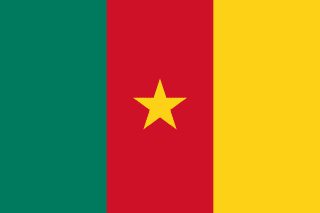
Cameroon's space sector doesn't have a single dominant area yet.
Recorded activity for Cameroon is still early-stage, spread thinly across commercial activity, institutional presence, and international collaboration. Compared with Central African countries captured on Spacehubs Africa tracked on the platform, it ranks 1 of 9 by recorded activity. (8 of 55 continent-wide.)
Coverage Rank
1 of 9
Captured Records
43
Benchmark Scope
Central African countries captured on Spacehubs Africa
8 of 55 continent-wide
This is a platform-coverage benchmark, not an official national capability ranking.
Overview
Cameroon does not yet have an operational space agency or an orbiting satellite, but is in active formative development. A feasibility study for the national flagship space programme CAMSPACE was commissioned in 2023, involving a consortium including Euroconsult and Maxar Technologies, to assess options for Cameroon's space programme architecture. ICT University in Yaoundé has been developing a CubeSat in partnership with Nanosatellite Missions Design Ltd. Cameroon hosted the African Space Hydrology Capacity-Building Workshop (AfrHySpace 2025) in Kribi and Dizangué, reflecting growing regional engagement. The University of Yaoundé I conducts remote sensing and geospatial research. Cameroon participates in the African Space Agency continental framework and UNOOSA capacity-building programmes. The country's equatorial location offers geographic advantages for future launch or tracking infrastructure that are noted in regional planning discussions.
International Collaborations
Active and high-signal collaboration records currently captured for this country.
Treaty on Principles Governing the Activities of States in the Exploration and Use of Outer Space, Including the Moon and Other Celestial Bodies


 +198
+198
Agreement on the Rescue of Astronauts, the Return of Astronauts and the Return of Objects Launched Into Outer Space
 +176
+176
Show all collaborations
Water Management and Natural Resources in Central Africa


African Group on Earth Observations


 +31
+31
Trans-African HydroMeteorological Observatory


 +16
+16
Committee on the Peaceful Uses of Outer Space


 +104
+104
Chart & data view
Switch the view to update the analysis below.